
African Filmmaking on a Budget: $5K vs $20K Films
You do not need Hollywood money — but you do need to know what money actually buys. A line-by-line look at what changes between a $5,000 short and a $20,000 one, and where you must not cut.
Budget Filmmaking is Real Filmmaking
The biggest myth in African independent film is that you need millions to start. You do not. But the opposite myth is just as damaging: that budget does not matter and passion covers the gap. Budget matters. What it buys, specifically, is time and margin for error — and those two things are what separate a film that looks intentional from one that looks rushed.
Here is an honest comparison of what two very different budgets actually get you.
What Actually Eats a Budget
Before the tiers, it helps to know where money really goes. First-time filmmakers usually over-allocate to camera and under-allocate to everything else. In practice the big consumers are:
- People — cast, crew, and the days you are paying them for
- Time — every extra shoot day multiplies crew, catering, transport and rental
- Sound — a dedicated sound recordist is the highest-return hire on a small production
- Post — edit, sound mix, colour, music licensing
- Logistics — transport, catering, permissions, contingency
The $5,000 Film
Realistic output: a 10–15 minute short.
- Skeleton crew — often people wearing two roles each
- Emerging talent, cast largely on potential rather than track record
- Rented camera and lighting package
- 2–3 locations, chosen partly for access and cost
- 2–3 shoot days
- Post done by one or two people, often including you
What this budget feels like: tight. There is no contingency. A lost location or a sick actor forces a rewrite rather than a reschedule. You will make creative decisions for logistical reasons, which is normal and survivable — but it means the script has to be designed for the constraint from day one. Write for the two rooms you can definitely get, not the six you hope for.
The $20,000 Film
Realistic output: a polished 20–30 minute short or a proof-of-concept pilot.
- Full crew, with each role properly filled — including a dedicated sound recordist
- Cinema camera package and a real lighting kit
- Established actors who can carry difficult material
- 5–8 locations
- 5–7 shoot days
- Professional post: separate editor, sound mixer and colourist
- Actual contingency
What the extra money buys: not spectacle — control. More takes, so performances get better. More setups, so scenes can be covered properly instead of rescued in the edit. A sound mix that holds up on phone speakers and in a cinema. And enough slack that one bad day does not damage the whole film.
Where You Must Not Cut
- Sound. Say it again: audiences forgive a soft image and abandon a film with bad dialogue. A recordist and decent microphones are non-negotiable.
- Food and water on set. The cheapest possible way to lose a crew's goodwill.
- Contingency. Ten to fifteen percent, untouched, for the thing you have not thought of.
- Paperwork. Location permissions and signed actor release forms. Skipping these is free right up until it makes your film undistributable.
Where You Genuinely Can Save
- Camera body. The gap between a good mirrorless camera and a cinema camera matters far less than the gap between good and bad lighting.
- Locations. Real, borrowed spaces beat rented ones that look generic. Write towards what you can get.
- Cast size. Every additional speaking role adds cost across every department. Three characters explored properly beats eight sketched thinly.
- Night exteriors. They are expensive, slow, and hard to light. Ask whether the scene truly needs to be outside, at night.
The Truth
Story beats budget, consistently. A $5,000 film with a sharp script and honest performances will outperform a $20,000 film with weak writing — festivals and audiences both punish weak writing far more reliably than they punish modest production values.
But "story beats budget" is not permission to plan badly. The filmmakers who do well at $5,000 are the ones who designed a $5,000 film on purpose, rather than attempting a $20,000 film with a quarter of the money.
Planning a Production?
Tell us the scope and we will tell you honestly what it will take.
Get a QuoteRelated Posts
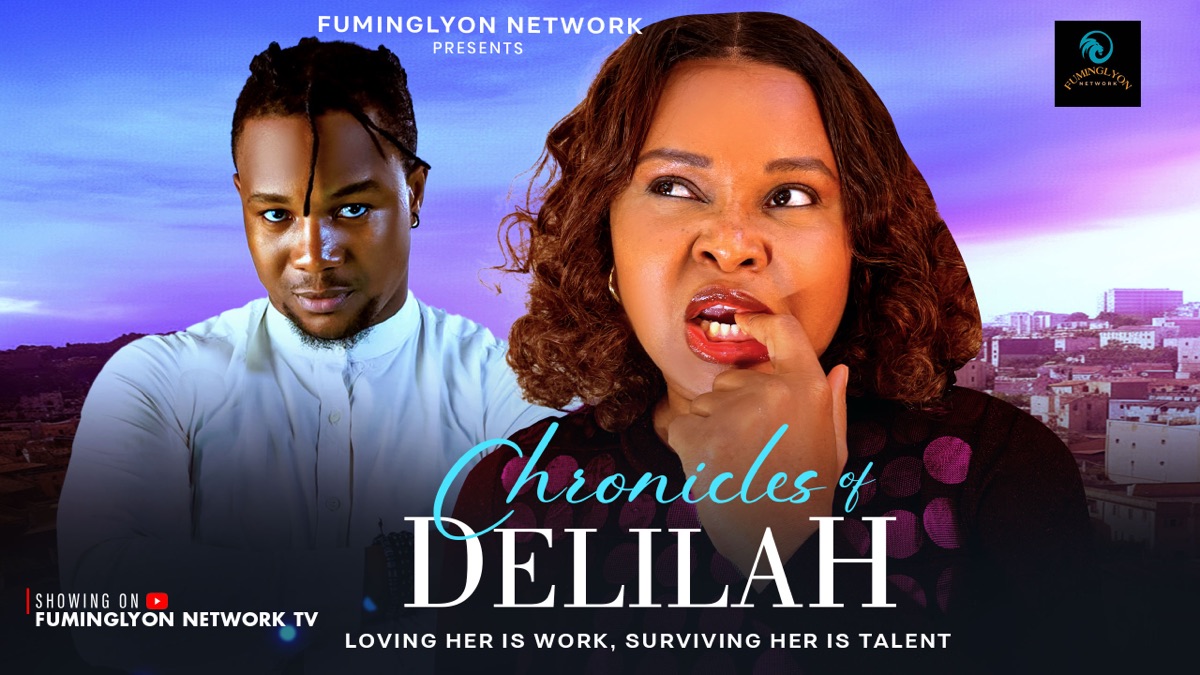
Meet Delilah: The Story Behind Our Most-Loved Series
Delilah is soft-spoken. Her boyfriend Mario is calm. Somehow every conversation between them still spirals into a full misunderstanding, across all ten episodes of Season 1. Here's who's who — and what it actually took to make it.
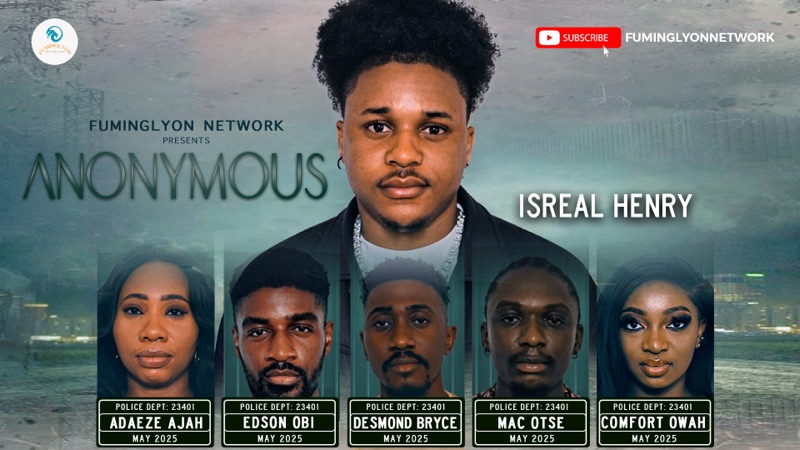
Anonymous: Five Housemates, One Body, No Alibi
When one of five housemates is found dead, suspicion turns friends into foes. Shot in three days in a single location, Anonymous is our tightest, tensest film yet — and a deliberate provocation about consent and the lies we tell to protect ourselves.
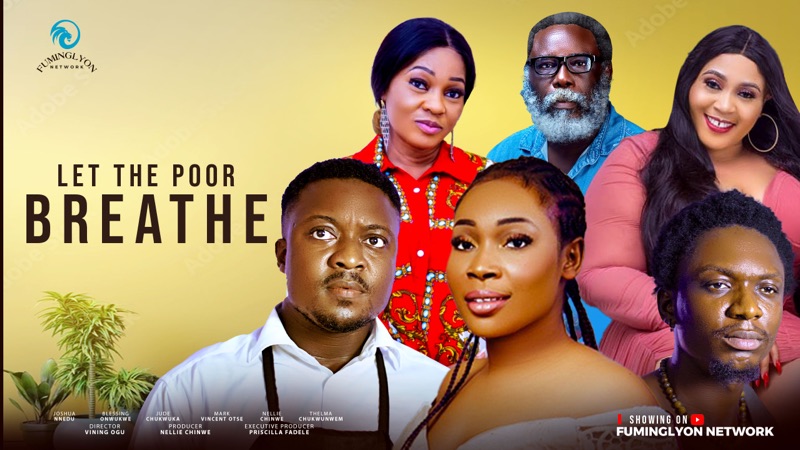
Let the Poor Breathe: When a System Refuses to Listen
When a young girl from a poor family goes missing after working for a wealthy household, her parents face a system built to silence the weak. This one is the most overtly social of our films — and the hardest to sit through.